Pathway 1 · For people

A pathway to local energy where reliable supply is missing

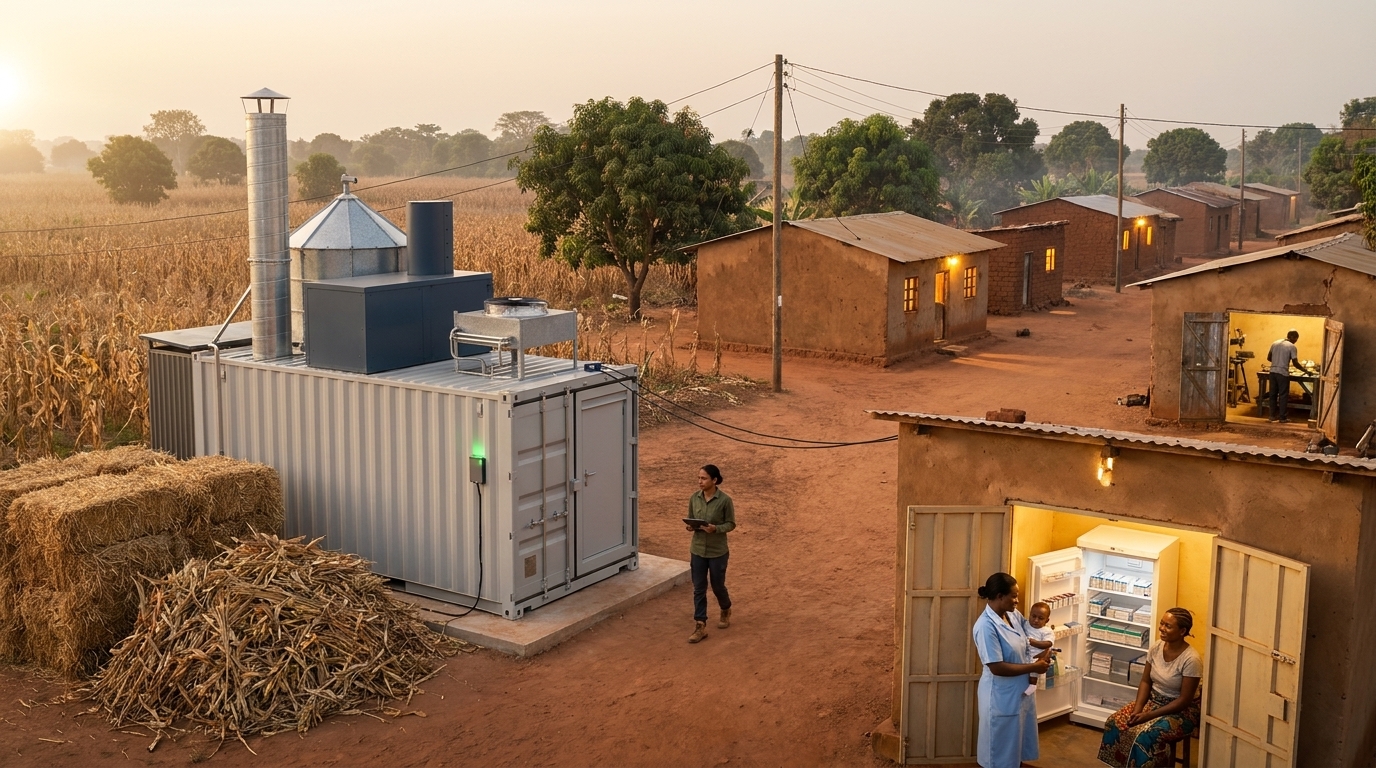
For a village, a clinic or a farm without reliable power, the waste piling up outside could become the energy that runs its fridges, water pumps and lights. In its power configuration, Jenja is designed to turn residue into local electricity and heat.

Illustration of a village at golden hour: a containerised power unit beside stacked residue bales, power lines running to mud-brick homes with lit windows, maize fields, and a health post with a working vaccine fridge.
Illustration  |  not a Jenja installation. No site has been built yet.
The problem

Reliable energy, where there is none.

Imagine a site where electricity is unreliable, diesel has to be delivered, and organic residues are already accumulating.

Energy access is not only about whether a wire reaches a building. It is about whether power is there when it is needed, and whether it depends on fuel that has to be bought and brought in by road.

655 million

people worldwide had no access to electricity in 2024. Reaching universal access by 2030 would take more than triple the current rate of progress.13

Beyond a working grid the usual answer is a diesel generator, which means fuel bought, delivered and paid for at a price the operator does not set14, and exhaust that causes lung cancer.15

What could change

Local waste could become local energy.

In its power configuration, Jenja is designed to turn residue the site already holds into its own electricity and heat, so supply no longer depends on a fuel delivery.

The loads this could serve are ordinary ones: refrigeration and cold storage, water pumping and treatment, productive equipment and workshops, and critical loads such as clinics and households.

Residue that piles up today could become the fuel that keeps the lights on tomorrow.

InputLocal residue
What the site already holds
→
ProcessJenja
Designed to produce fuel gas
→
OutputGas
Burned for power and heat
→
UseElectricity and heat
Where a site needs them
Feedstock

From local waste to local energy.

Waste collected
→
Jenja turns it into gas
→
Local power and heat
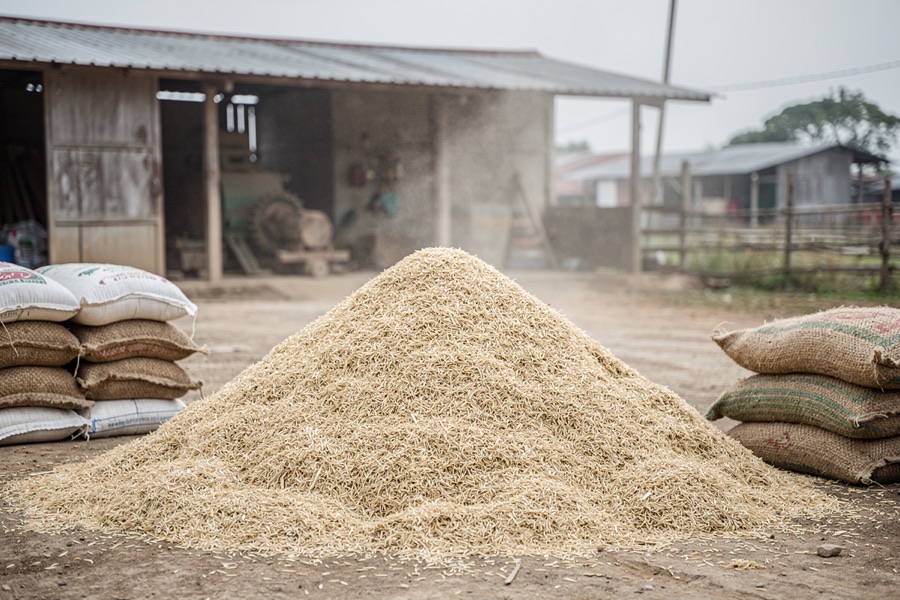
A pile of rice husks beside a rural rice mill

Rice husks

Left over after rice milling.

Today. Husks make up about a fifth of the weight of harvested rice, so they pile up wherever rice is milled. Handled badly, they take up large amounts of space and create environmental and health risks.17

With Jenja. Rice husk is already used as a fuel, including through gasification.18 Dried and pelletised, it could become a fuel gas for local power and heat in Jenja.

Turns a mill's waste pile into local electricity.
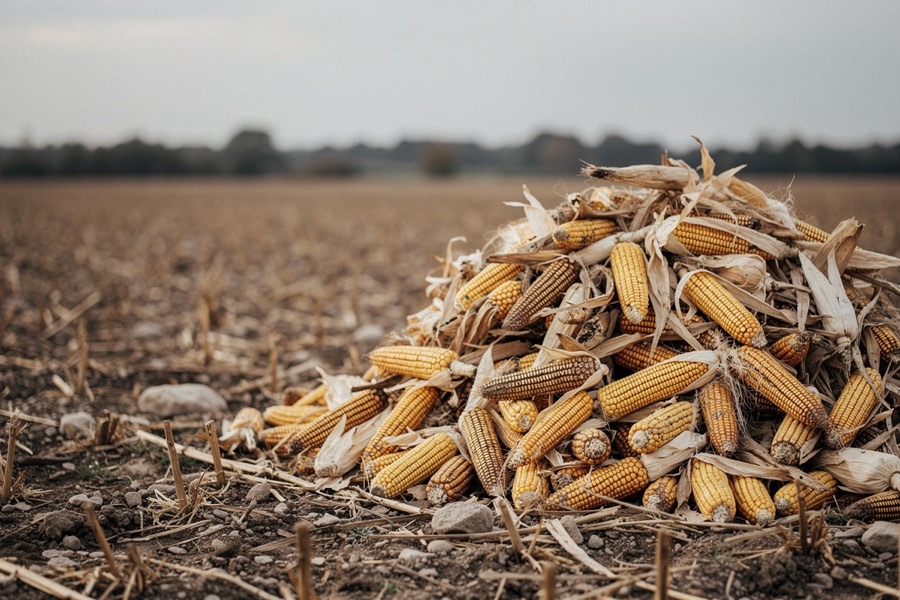
A heap of dried maize cobs and stalks in a harvested field

Maize cobs and stalks

What is left in the field after harvest.

Today. Deliberate open burning of crop residues, including corn cobs, emits greenhouse gases and toxic pollutants into the atmosphere19.

With Jenja. Dried and pelletised, maize cobs and stalks become a fuel gas for power and heat on the farm or in the village.

Keeps harvest residue working instead of smoking.

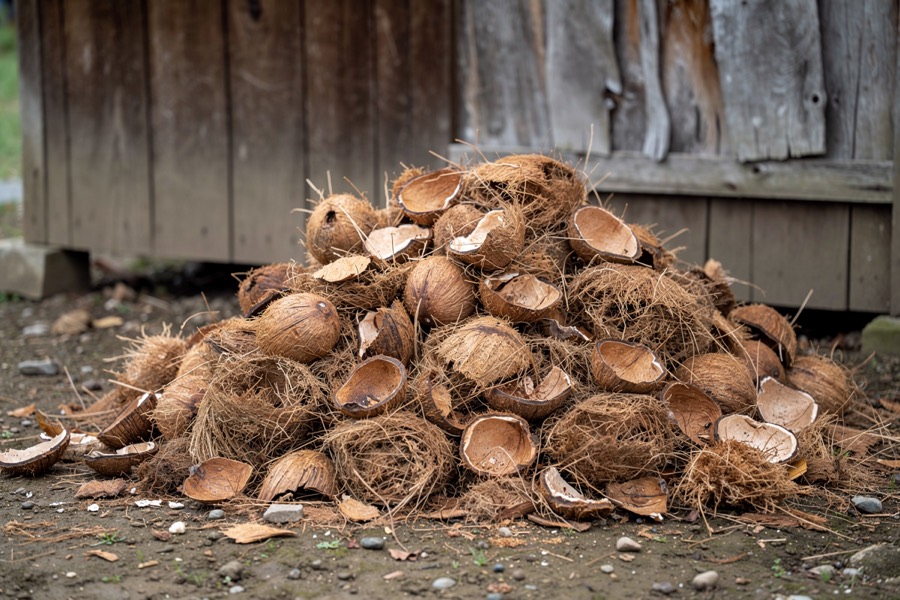
A pile of split coconut shells and fibrous husk outside a small shed

Coconut shells and husks

What remains after coconut is husked and split.

Today. Coconut waste is commonly mismanaged by direct disposal and open burning, causing pollution and harm to health20.

With Jenja. Dried and pelletised, shells and husk become a fuel gas for local power and heat.

Cleaner air where coconut is processed.

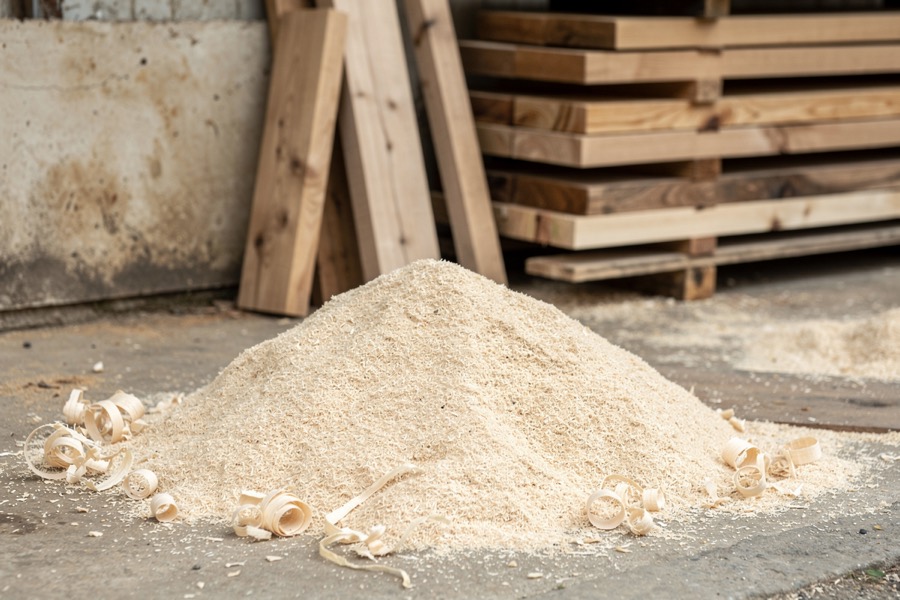
A mound of sawdust and wood offcuts beside a carpentry workshop

Sawdust and wood offcuts

Produced by sawmills and furniture workshops.

Today. In Nigeria, wood residue from the wood industry is generally regarded as waste. It is often burned in the open or dumped in water or on open ground.21 Left in heaps at the mill, it is also a serious fire hazard.22

With Jenja. Wood residue is already used as fuel for heat and power, including through gasification.23 Dried and pelletised, sawdust and offcuts could become a fuel gas for power and heat in Jenja.

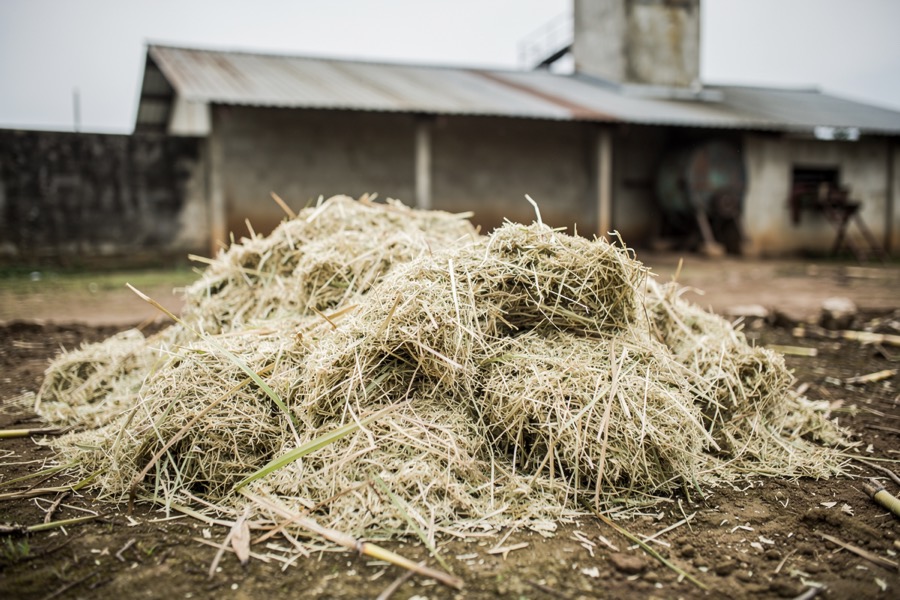
A pile of pale fibrous sugarcane bagasse outside a small sugar mill

Sugarcane bagasse

The crushed cane left after juice extraction.

Today. Where there is no proper management, bagasse and other crop residues are burnt or buried, polluting air and water24.

With Jenja. Dried and pelletised first, then gasified in Jenja for local power and heat.

The mill's own residue becomes its own energy.

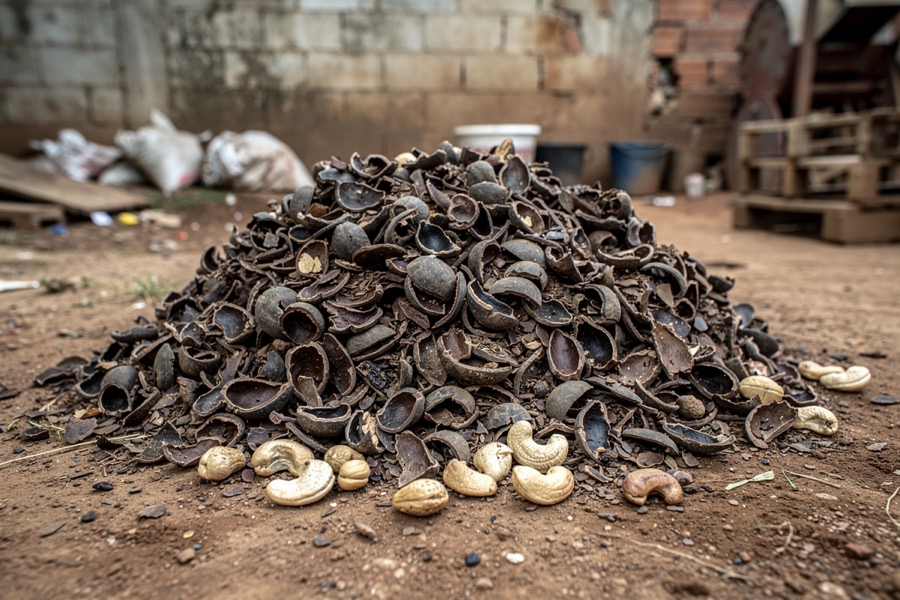
A heap of dark cashew nut shells in a small processing yard

Cashew and nut shells

The shell left when nuts are processed.

Today. When shells are dumped or burned in the open, they pollute land and water and release hazardous fumes25.

With Jenja. Pelletised and gasified in Jenja for local power and heat.

Less waste and cleaner air around processing.

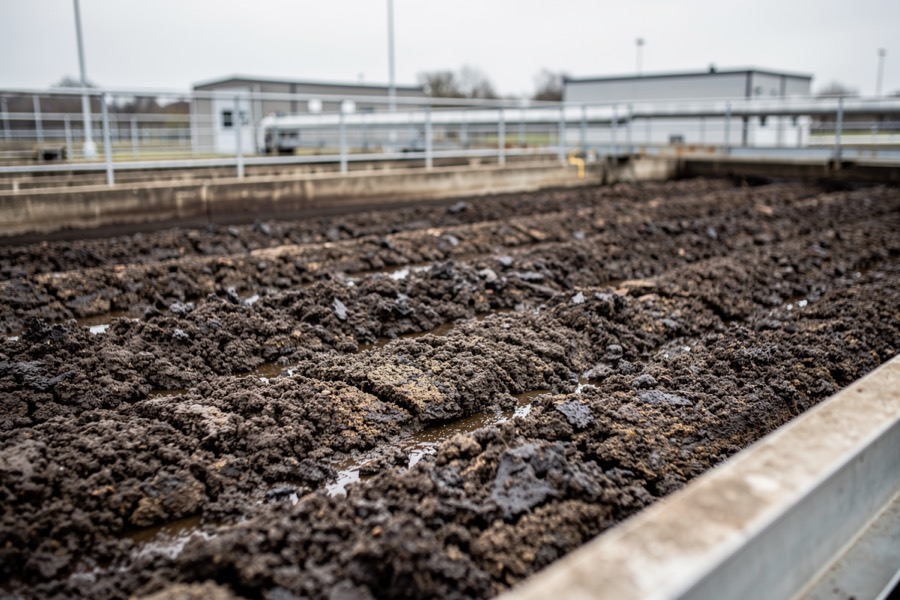
Dewatered sewage sludge spread in rows on an outdoor drying bed

Sewage sludge

What remains after wastewater treatment.

Today. In the EU, about half of sewage sludge is spread on farmland, 28% is burned and 18% is landfilled. Spreading and burning it can harm the environment and people's health.26

With Jenja. Sewage sludge holds enough energy to be a possible fuel.27 Dried and pelletised, it could become a fuel gas for power and heat in Jenja.

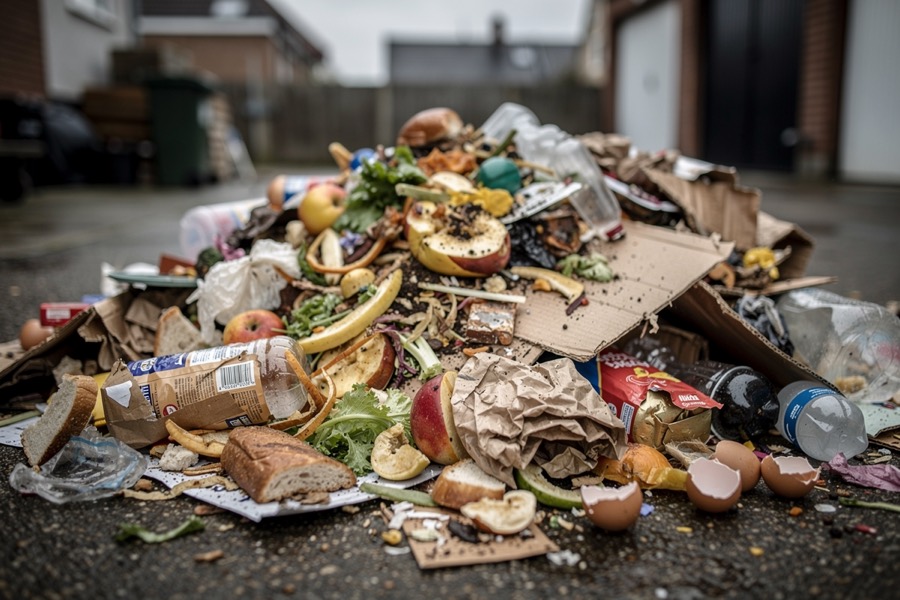
Mixed household waste in a collection heap

Household waste

What a household throws away each week.

Today. Although 77% of global waste is collected, 23% is still openly dumped.28 Burning waste releases fine particles linked to an estimated 270,000 deaths a year29.

With Jenja. The waste is sorted and pelletised first. Plastic can make up at most 30% of the fuel by weight; the rest becomes a fuel gas for local power and heat.

Less open burning, and cleaner air nearby.

Jenja runs on dry, pelletised fuel with a moisture content below 15%. This is a design requirement, not a measurement. Jenja can be supplied with a drying unit as the first step of the process, so wet feedstocks are dried before gasification. Ready-made dry pellets skip this step. Plastic can make up at most 30% of the fuel by weight.

What it could mean for people

Power that could stay close to home.

Clinics that can count on power. Close to 1 billion people in low- and lower-middle-income countries are served by health-care facilities with unreliable electricity or none at all.16

Where residue is at hand, a clinic could make its own power for light, cold storage and equipment.

Less waiting for deliveries. Power made from residue already on site does not depend on a fuel delivery arriving.

Cleaner air nearby. Every litre of diesel a generator no longer burns is diesel exhaust that never reaches the people living and working around it.

← All five pathwaysPathway 2, heat, cooling and safe water →